For six weeks, the WaterStep Ebola Response Team has been on the ground in the Democratic Republic of Congo, working alongside local partners to strengthen one of the most practical defenses against Ebola: reliable access to disinfectant and safe water.
The work is happening where it matters most—on clinic floors, at market stalls, at school gates and on hands, hands and more hands. It also means treating water and giving communities the tools and knowledge to continue protecting themselves long after our team moves on.
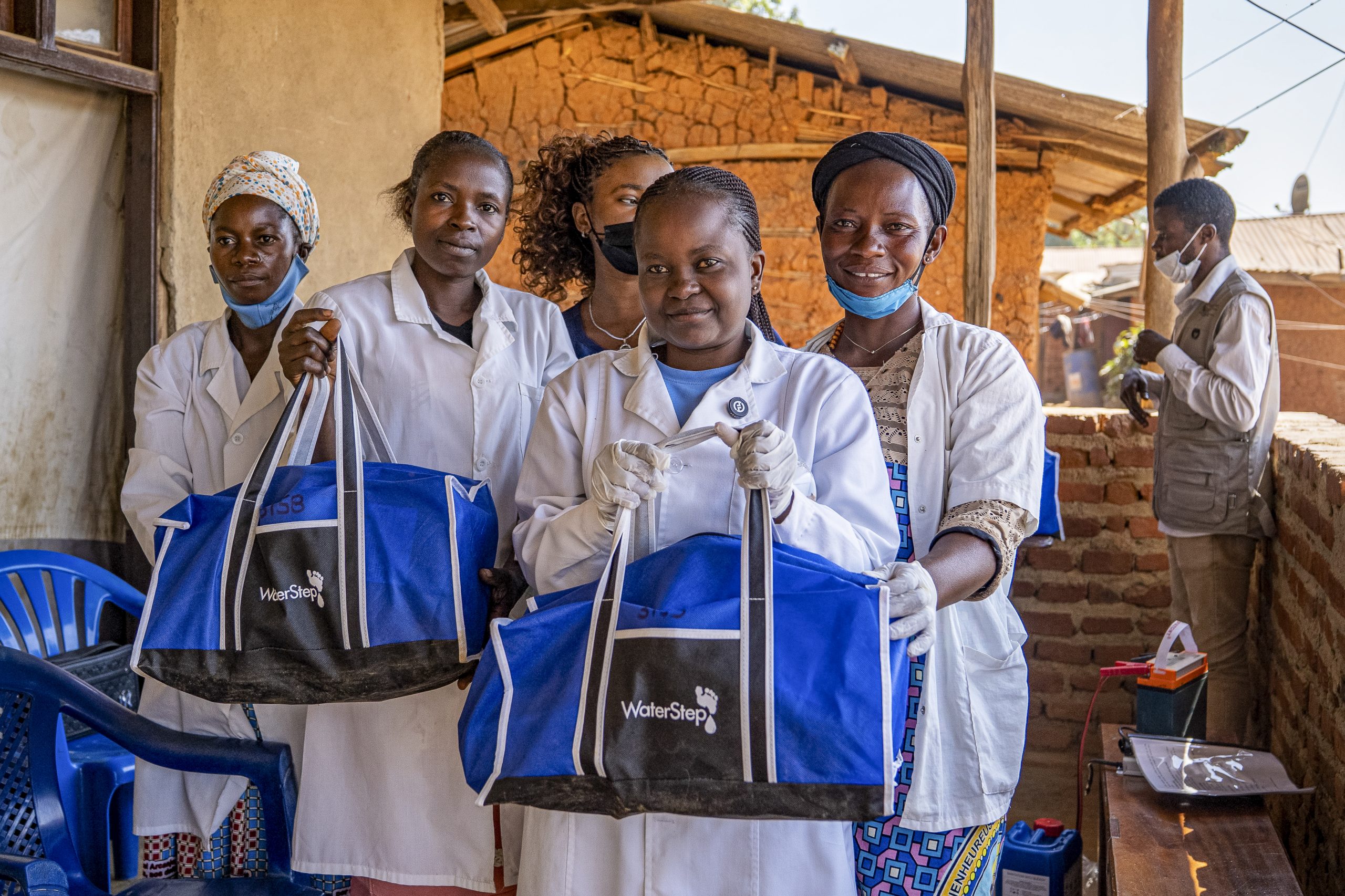
Throughout the response, WaterStep has equipped health workers, schools and hospitals to produce their own disinfectant locally. Just as importantly, the team has been transferring the strategies and training needed to keep those systems operating in the communities they serve.
Now the response is extending further into Bunia.
The team is staying longer and pushing deeper to establish disinfectant-making capacity that will remain in place. Destin, Charme and Deborah are helping carry that work forward on the ground. Alongside them, trusted local voices are taking to the radio in the languages spoken by these communities, sharing clear information about Ebola, how it spreads and where people can access locally produced disinfectant.
The distinctions matter.
Clear water and safe water aren’t the same thing.
Clean hands and sanitized hands aren’t the same thing.
Clean clinics and properly disinfected clinics aren’t the same thing.
Safe water, effective sanitation and reliable disinfection all matter when lives are on the line.
The work in the DRC continues—and so does WaterStep’s commitment to leaving communities with more than emergency supplies. The goal is lasting local capacity: the equipment, knowledge and people needed to keep producing safe water and disinfectant where they’re needed most.