Get involved
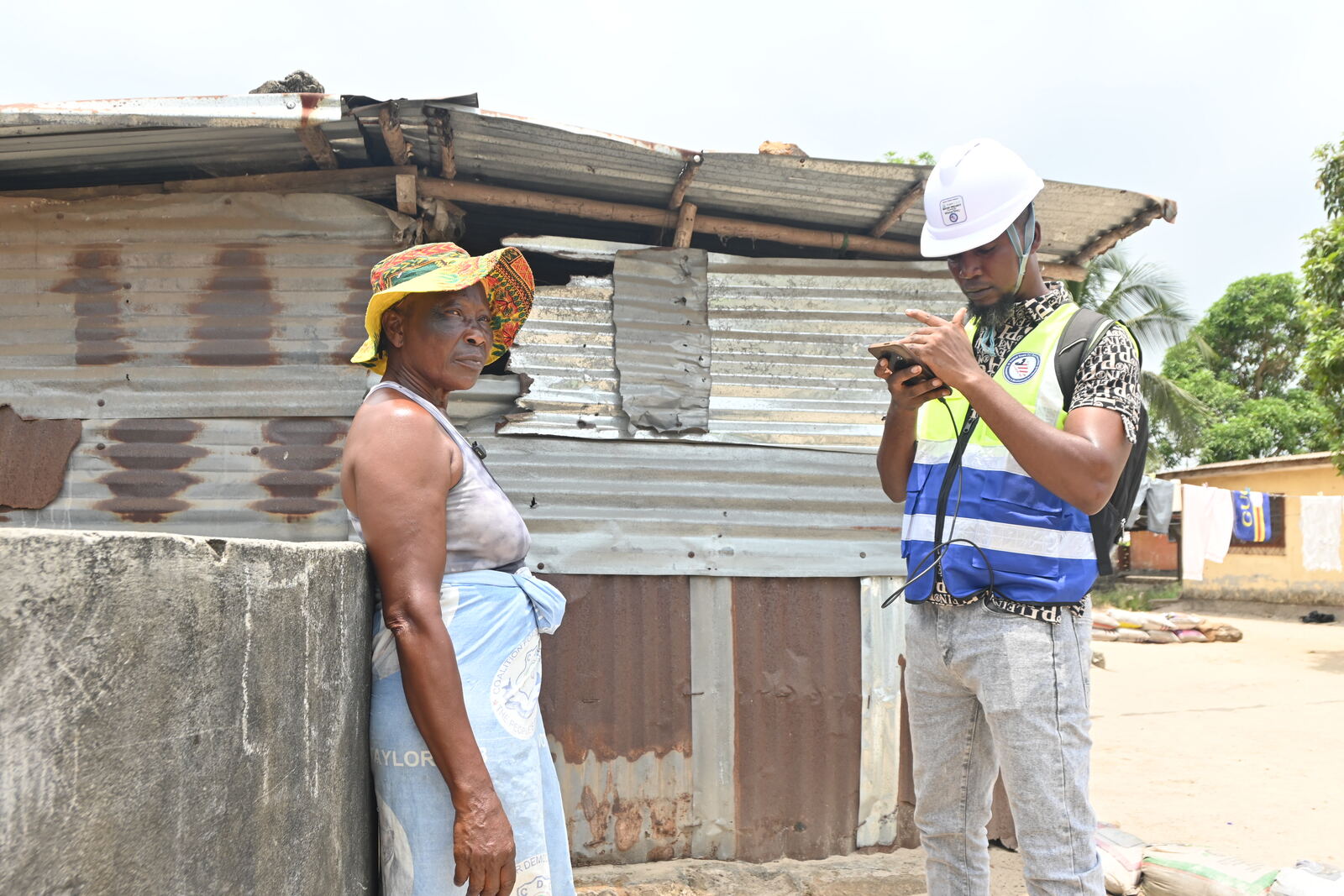
A WaterStep inspector records a hand pump on his phone while a community member looks on, Liberia
WaterStep · Liberia WASH Initiative

One pump.
One record.
Safe water that lasts.

How a hand pump, a phone and a community are keeping water flowing across Liberia.

Where it began

Forty years ago, a pump broke in Burkina Faso.

On a mission trip, WaterStep founder Mark Hogg watched a village lose its only hand pump. A lake sat close by, but its water was not safe, and people knew what that meant: sickness would follow. That day became the reason WaterStep exists. Fixing broken pumps stayed in the back of his mind for four decades. This program is that idea, finally made real.

The problem

When a hand pump breaks, everything after it goes wrong.

  1. 1

    The pump stops working

    A worn seal or a leaking valve. Usually a small, fixable fault.

  2. 2

    Nobody nearby knows how to fix it

    Repair know-how and spare parts sit far from the village.

  3. 3

    There is no money to repair it

    Pumps are paid for once, when they are built. Maintenance has no budget.

  4. 4

    It is abandoned, then lost

    Left alone, a small fault turns into a pump that can't be saved.

  5. 5

    Someone drills a new well

    It's expensive, and without a plan for repairs, the cycle starts again.

Meanwhile, women and girls walk further to collect water, often from sources that are not safe to drink.

1 in 4

hand pumps across sub-Saharan Africa are not working at any given time.

Source: Foster et al. (2019), Functionality of handpump water supplies, via Water Point Data Exchange.

The solution

A repair manual in every pocket.

WaterStep built a phone app that walks a trained person through inspecting and repairing a hand pump, step by step. Every visit leaves evidence behind, so anyone can check what was found and what was fixed.

  • Works offline
  • 17 guided steps
  • Photos at every stage
  • GPS on every pump
  • Water samples tracked
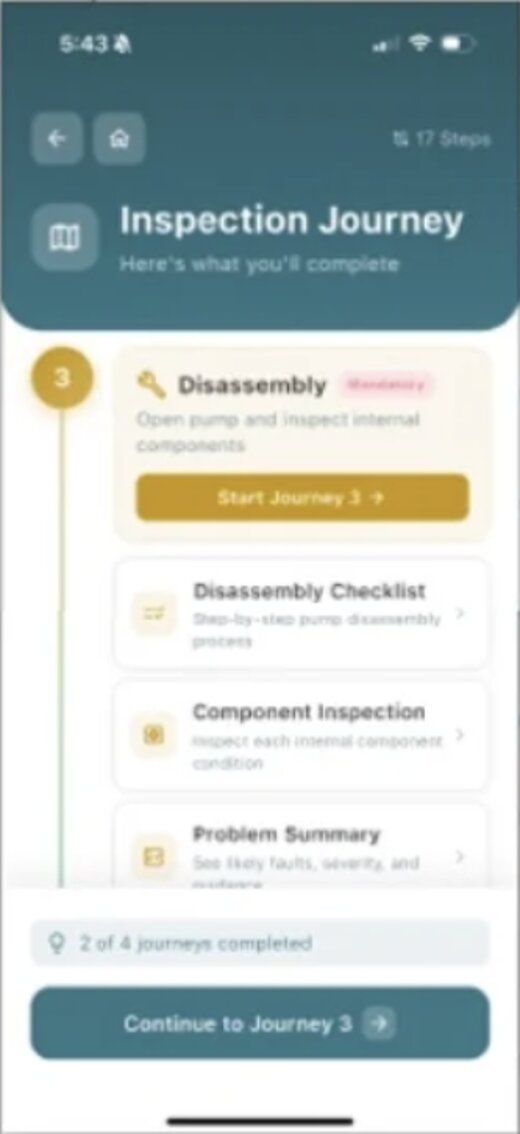
  1. App screen: Inspection Journey, with Disassembly as journey 3
    Step 1

    Follow the journey

    Four guided journeys take the inspector from arrival to repair.

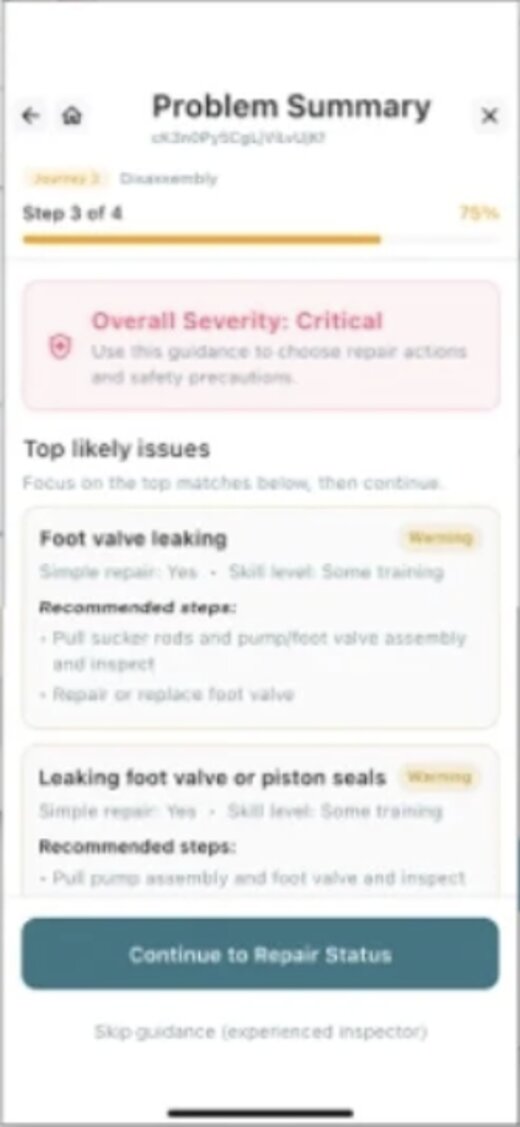
  2. App screen: Problem Summary listing likely issues such as a leaking foot valve, with repair steps
    Step 2

    Find the fault

    The app ranks the likely problems and shows how to fix each one.

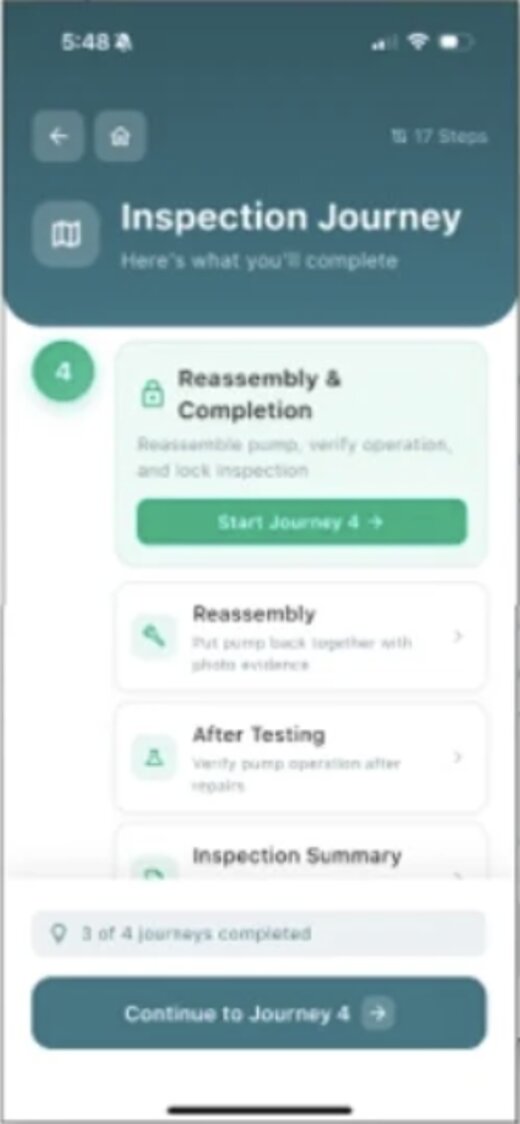
  3. App screen: Reassembly and Completion journey
    Step 3

    Repair and test

    Put the pump back together, with photos, and test it again.

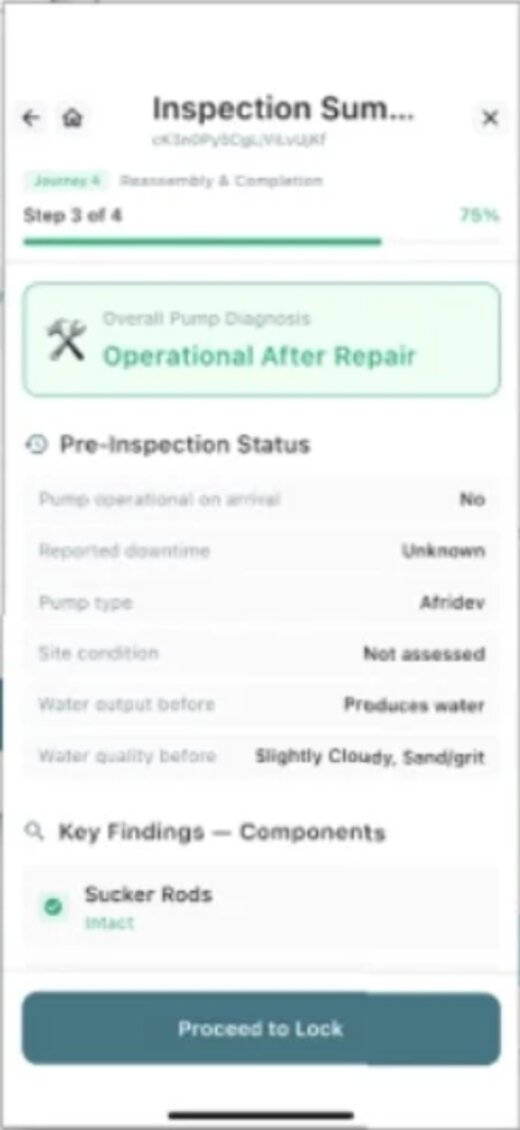
  4. App screen: Inspection Summary showing the pump as Operational After Repair
    Step 4

    Lock the record

    Before and after are saved together, as evidence of the repair.

What the app is telling us

The first months in the field, in numbers.

Between April and August 2026, the Liberia field team learned the app on real pumps in Bong County and Monrovia.

129hand pumps visited
168inspections recorded
1,418pump parts checked one by one
31water samples collected for lab testing
129 pumps so far890 in the first phase
At the first visit

Only 47 of 123 pumps tested produced water.

Produced water 47Did not 76

Each square is one pump the inspector tested on arrival.

Inside the pump

Most faults are small parts: seals, valves, guides.

  1. Plunger cup seal68%
  2. Centralizers (rod guides)64%
  3. Foot valve assembly42%
  4. Foot valve O-ring seals40%
  5. Foot valve check valve35%
  6. Handle pivot bushings34%

Share of inspected pumps where the part needed attention. About 118 pumps opened up for each part.

Why we test, not just ask

12 pumps reported broken were actually working.

Community and test agree 110Reported broken, worked 12Reported working, failed 1

A test on the spot turns what people remember into a fact anyone can check.

These are early figures from a team in training, as of 1 September 2026. They show what the app can capture, not final results for Liberia.


Why it lasts

A working pump pays for its own repairs.

When families drink safe water from a pump, they no longer need to boil water over wood fires. Those avoided emissions can be measured, verified and sold as carbon credits. That income goes back into keeping the pumps working.

The loop: a working pump is checked on a phone, which earns carbon credits, which fund repairs, which keep the pump working 1Workingpump 2Checkedon a phone 3Carboncredits 4Repairfund The pump keepsworking
  1. 1

    A working pump

    Families collect safe water close to home.

  2. 2

    Checked on a phone

    Regular inspections prove the pump works, with photos and GPS as evidence.

  3. 3

    Carbon credits

    Verified safe water becomes credits that buyers can trust.

  4. 4

    A repair fund

    Credit income pays for parts and repairs, so step 1 keeps happening.

The 1 km rule. Credits count only the people who live within 1 kilometre of a working pump. That keeps the claim honest and puts the pump at the centre of the community.

From one pump to a country

Every record adds to a national picture.

The same record that guides one repair also shows Liberia where its water points are, what condition they're in and where help is needed next.

  1. Hand pumpWhat the inspector sees at the water point
  2. Field appPhotos, GPS, measurements, repairs
  3. One shared recordChecked, reviewed, kept for the long term
  4. Liberia's national WASH pictureMaps and planning for water, sanitation and hygiene

Every national water map begins with what someone sees at a water point.

What's next

The people who drink the water keep it flowing.

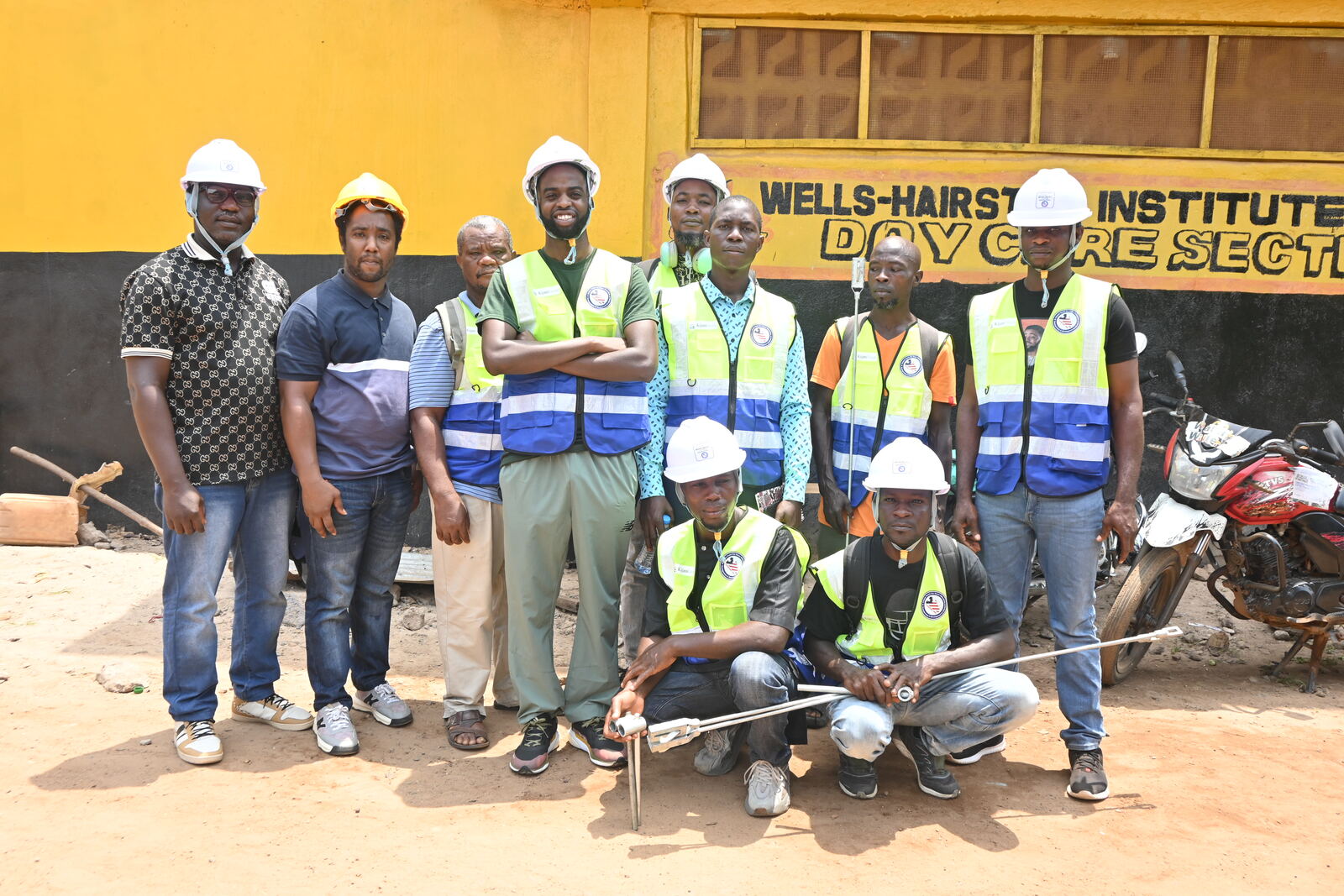
The Liberia field team in hard hats and high-visibility vests
The Liberia field team
  • Every community, not only those with a pump

    The program is growing beyond hand pumps, to any community that needs safe water.

  • Owned by the community

    In a few years, someone who lives next to the pump will check it on their own phone, and that check will count.

  • From Liberia outward

    Start small, build trust, then scale nationally, and to other countries.

One pump.One record.One shared picture.

Safe water can't wait. Help keep Liberia's pumps working.